


Your cart is empty!

Paya Sakht Vira (Clabim)
Paya Sakht Vira Company with the CLABIM Brand
Paya Sakht Vira, operating under the CLABIM brand, is a BIM company in Shiraz and a main contractor, developer, and consultant for BIM projects in cities such as Shiraz, Kish, Tehran, and other regions across the country. With over 7 years of specialized experience in implementing BIM, particularly in complex civil and construction projects, our team focuses on the precise alignment of processes to ensure the design, execution, and operation proceed with minimal risk and maximum coordination. This company also works with the approach of creating change in the construction industry, covering all phases from pre-construction to project operation.

Complete BIM Process Implementation
Paya Sakht Vira (BIM company in Shiraz) manages the transition from a traditional to a data-driven model from the start of the project (pre-construction) by developing the BIM Execution Plan (BEP) and defining collaboration standards. The company reduces resistance to change and enhances smart decision-making through organizational training and process development.

Specialized Discipline Modeling
The CLABIM team performs parametric modeling of various disciplines (architecture, structure, mechanical and electrical systems) in detail according to the project and client needs. All aspects and applications of BIM within the company are based on the BIM Execution Plan (BEP).

Project Simulation and Smart Management
Using technologies such as Virtual Reality (VR), Augmented Reality (AR), virtual tours, and smart project dashboards, CLABIM provides an interactive experience that elevates project management and control to a reliable level.
Full Lifecycle Project Support
From initial studies to the operational phase, CLABIM is involved throughout the project. Providing documentation and performance management in the maintenance phase is also part of CLABIM’s services.

BIM-Based Construction Management and Legal Support
By integrating engineering knowledge with legal matters, CLABIM implements construction management in a way that reduces potential claims and ensures compliance throughout all stages. This approach reduces contract disputes and increases project transparency.
With the BIM workflow in mind, simultaneous interaction among stakeholders in a Common Data Environment (CDE) and the provision of specialized services by CLABIM transforms the design and execution process from traditional to an intelligent, coordinated, and integrated system. This approach not only improves quality and scheduling but also helps control costs, prevent legal claims, and ensure long-term project success.
Building Information Modeling (BIM) addresses major challenges faced by owners and investors. This process intelligently identifies obstacles at various stages of the project, providing a comprehensive view to facilitate decision-making. Additionally, implementing BIM across different aspects of the project offers the following benefits:
As a BIM company in Shiraz, our project management is integrated with BIM to achieve:
Paya Sakht Vira (BIM Company in Shiraz) optimizes and implements the best BIM solutions tailored to each project’s needs, ensuring that all aspects of the project benefit from BIM. Project management in our projects progresses with the inclusion of BIM.
In project management, the Integrated Project Delivery (IPD) method, relying on BIM, is an innovative project delivery approach. In this approach, BIM not only serves as a digital modeling tool but also acts as a core component of the design, construction, project management, and operation processes.
The BIM approach to project management, utilizing advanced software and technologies like artificial intelligence, provides added value to project managers. BIM serves as a support tool for the project manager, facilitating scheduling control, reducing costs, preventing execution clashes, and enhancing final quality. This integration of technologies and innovative methods provides a systematic and smart approach to project management, well-equipped to handle project complexities.
One of BIM’s key advantages is the ability to detect clashes before execution, identifying conflicts between disciplines before construction begins. This feature significantly reduces errors, rework, and related costs during the execution phase. By sharing a Common Data Environment (CDE), all project team members have access to the latest versions and changes, visible over time. This leads to transparency, greater coordination, and reduced errors in decision-making.
3D – 3D Modeling
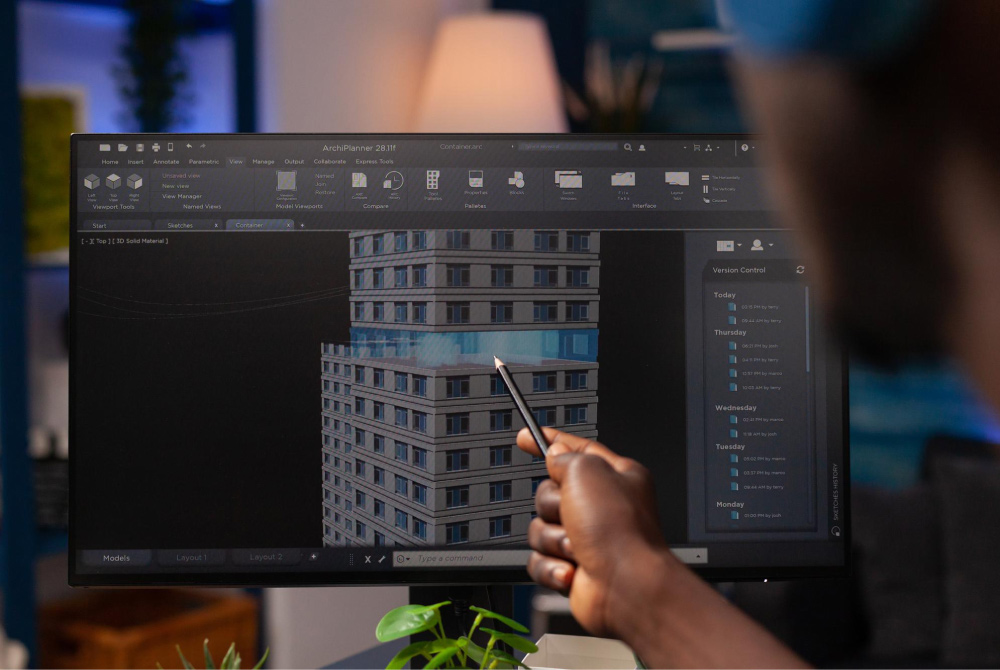
The fundamental dimension of BIM is the 3D model of the project, which integrates precise geometric data of various components such as walls, columns, utilities, materials, and finishes. This model provides a clear visual representation of the project’s structure and serves as an effective tool for interaction among project stakeholders. Using this dimension, design clashes (clash detection) can be identified and corrected before execution. Additionally, the creation of a common model within a Common Data Environment (CDE) fosters coordination between architecture, structural, and utility teams. This dimension forms the foundation for visual interaction and accurate project analysis.

4D – Time Management and Scheduling
This dimension adds time to the 3D model and visualizes the project execution process as a time-based simulation. It helps the project team predict and optimize the sequence of operations. The project manager can identify potential delays and adopt proactive solutions. Furthermore, visualizing the step-by-step progress of the project enhances coordination in scheduling, material delivery, and transitions between project phases.

6D – Sustainability and Energy Efficiency
The 6D model integrates data on energy consumption, environmental impact, and sustainability criteria into the BIM model. This dimension includes sustainability analysis, energy performance simulation, and selecting materials to reduce consumption and environmental effects. The As-Built model is completed with real-time equipment data, such as warranties and technical specifications. This dimension supports informed decision-making for sustainable and cost-effective design.

5D – Cost Estimation and Financial Management
This dimension connects cost to the BIM model, updating expenses related to materials, labor, and equipment. It allows for accurate budget estimation, analysis of different financial scenarios, and precise quantity take-offs. Financial managers can synchronize projected and actual costs, observe how design or schedule changes affect the budget, and make quicker, more informed financial decisions.

7D – Asset Management and Maintenance
This dimension includes data related to building operations and maintenance throughout its lifecycle. It includes information such as equipment specifications, maintenance guidelines, warranty schedules, and inspection times. With this dimension, operations managers can plan repairs and maintenance, optimizing resource allocation. Timely notifications about parts requiring repair or replacement make the project’s operation more efficient.

8D – Safety and Risk Assessment
Focusing on safety, this dimension incorporates information on potential hazards, critical infrastructure locations, emergency routes, and site security into the BIM model after design and before execution. It helps simulate working conditions, perform risk analysis, conduct virtual staff training, and prevent accidents. Technologies like Virtual Reality (VR) are used for safety training and analyzing accident scenarios, reducing risks and ensuring a safer working environment by identifying the best preventative measures.

10D – Integrated Analysis and Industrialization (Digital Twin)
This dimension integrates modern methods like Digital Twin or prefabrication with BIM to facilitate project management in construction. It aims for optimized and error-free modeling to reduce project time and costs.
9D – Lean Construction
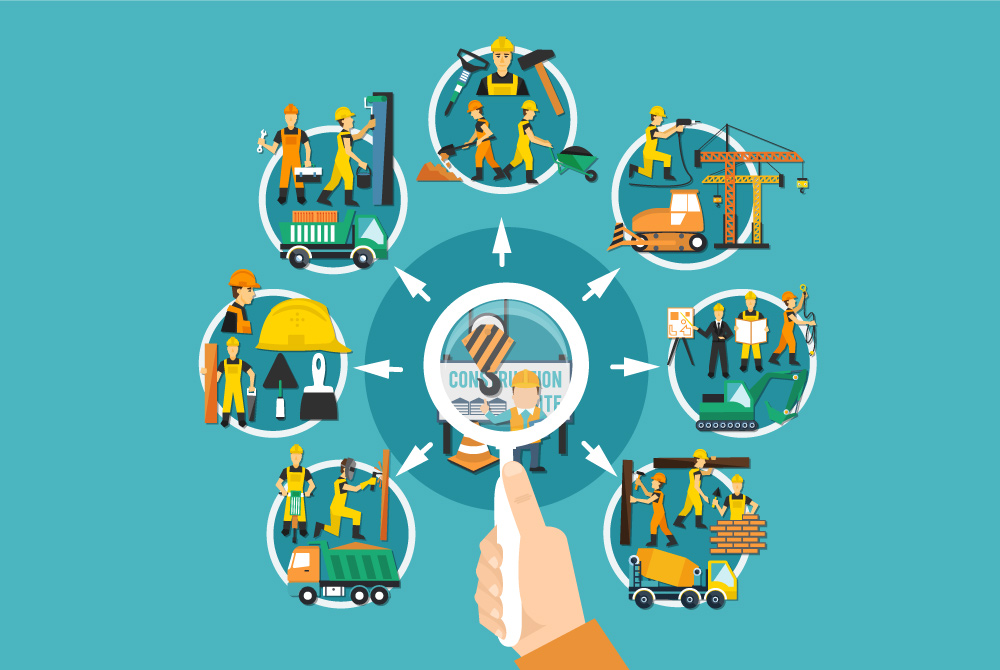
This dimension optimizes execution processes based on Lean Construction principles to minimize resource waste, rework, and project execution time. It includes analysis of material consumption, resource scheduling, and ordering processes to improve financial and process efficiency. By using the 9D model, the project team can make strategic decisions about resource procurement and utilization, leading to higher productivity, cost reductions, and a more organized and coordinated project execution.
Your cart is empty!
Copied to clipboard